As Amazon Associates, we earn from qualifying purchases. This means we may receive a small commission at no extra cost to you if you click through and make a purchase.
The Anycubic Photon Mono M7 Pro represents a substantial leap forward in desktop stereolithography, pairing an ultra-high-definition 14K monochrome LCD with automated resin management and active diagnostic monitoring. Resin printing has historically demanded meticulous manual setup, continuous temperature monitoring, and a high tolerance for messy chemical cleanups, which frequently discouraged family hobbyists and casual makers. Anycubic directly tackles those friction points by engineering a machine that streamlines liquid handling and identifies print errors before they cause mechanical damage. The bottom line is straightforward: this machine delivers professional-grade surface detail alongside consumer-friendly automation that takes the intimidation out of high-resolution fabrication.
For dedicated tabletop gamers, miniature painters, and creative households looking to produce detailed decorative models or replacement parts, this printer provides outstanding consistency. The integrated vat heating and automated fluid replenishment minimize common print failures that waste expensive resin and cause household messes. However, families seeking a simple, mess-free toy factory or educators working in poorly ventilated living areas should steer clear of photopolymer systems altogether. Those wanting clean, dry plastic spools without the requirements of chemical wash stations or specialized curing enclosures would be better served investigating traditional filament options like the anycubic kobra s1 combo.
Anycubic Photon Mono M7 Pro at a Glance

| Feature | Specification |
|---|---|
| Optical Resolution | 14K Monochrome LCD (13312 x 5120 pixels) |
| XY Pixel Precision | 16.8 x 24.8 micrometers |
| Minimum Feature Detail | Holes as small as 0.3 mm in diameter |
| Print Speed (High-Speed Resin) | Up to 170 mm/h (at 0.1 mm layer thickness test) |
| Print Speed (Standard Resin) | Up to 130 mm/h |
| Optical Light Engine | COB LighTurbo 3.0 with Fresnel lenses and front reflectors |
| Light Uniformity & Angle | Over 90% uniformity with light angle within 3 degrees |
| Vat Temperature Management | Dynamic temperature-controlled resin vat |
| Resin Automation | Automatic resin filling and one-key recycling |
| Sensor Diagnostics | 6 types of intelligent detection including residue and plate checks |
| Structural Materials | ABS, Aluminum, and Polycarbonate |
| Machine Dimensions & Weight | 25″D x 15″W x 35″H; 15.13 kg |
Ultra-High Precision 14K Optical Performance
At the core of the Anycubic Photon Mono M7 Pro is a cutting-edge 14K monochrome LCD screen boasting an astounding native resolution of 13312 by 5120 pixels. When evaluating the anycubic photon mono lineage, visual clarity has continuously advanced, but the M7 Pro pushes microscopic fidelity to a remarkable 16.8 by 24.8 micrometer XY resolution. In practical terms, this allows the printer to resolve intricate negative spaces and delicate apertures down to 0.3 millimeters in diameter. Intricate jewelry lattices, textured dragon scales, and minuscule mechanical gears render with sharp edges that require little to no surface sanding.
Resolution alone cannot deliver crisp results without uniform light transmission, and this is where the proprietary LighTurbo 3.0 optical system proves essential. By combining a Chip-on-Board (COB) light source with specialized Fresnel lenses and front-facing reflectors, the unit narrows the light refraction angle to within three degrees. Restricting optical dispersion ensures that light rays pass straight through the LCD masking layer rather than curing resin sideways. Coupled with an optical uniformity rating exceeding 90 percent and an automated light-off compensation algorithm, the entire build area receives even light exposure, avoiding uneven layer curing across broad model bases.
For family makers producing tabletop miniatures or display art, this level of optical engineering eliminates visible voxel stepping and jagged contours. Even when working under magnifying lamps or applying thin acrylic washes, fine textures such as facial expressions and fabric weaves emerge cleanly. The anycubic m7 pro 14k resin printer sets a formidable benchmark for surface fidelity, providing high-definition hobby output without demanding commercial industrial hardware.
Print Speed and Resin Versatility
Photopolymer 3D printing has traditionally been a slow, methodical hobby, but the anycubic m7 pro print speed dramatically accelerates production cycles. When utilizing high-speed photopolymer resin at a 0.1-millimeter layer thickness, the machine can achieve vertical build rates up to 170 millimeters per hour. Even when configured with ordinary, standard-viscosity photopolymers, it maintains an impressive curing pace of 130 millimeters per hour. These speeds represent a major practical upgrade over previous generations, allowing users to finish tall tabletop terrain or multiple character models in a single afternoon rather than waiting overnight.
These rapid cycle times alter how home makers interact with the machine. Instead of committing an entire weekend to verify a single design prototype, parents and teens can design a functional household bracket or gaming miniature after school and hold the finished, cured model before dinner. While running at top velocity does necessitate high-speed resins formulated for rapid light activation and low peel resistance, standard resin profiles still yield exceptional throughput that minimizes downtime in busy family schedules.
The speed improvements also work in tandem with the light-off compensation algorithms to balance rapid motor retraction with proper fluid settle times. Liquid photopolymer requires a fraction of a second to flow evenly across the vat bottom after each lift cycle. By calculating these fluid dynamics accurately, the printer avoids the surface cavitation and suction lines that often plague other machines when pushed beyond their standard operating thresholds.
Automated Resin Management and Heated Vat Technology
Managing messy bottles of liquid photopolymer is easily the most stressful aspect of desktop resin printing for household environments. The anycubic m7 pro auto resin fill system directly addresses this challenge by incorporating mechanical pumping hardware that automatically feeds resin into the vat when levels run low during long print tasks. When printing concludes, the mechanism provides one-key resin recycling, drawing leftover liquid back out of the vat and returning it safely into the container. This eliminates the precarious routine of balancing a messy vat over a funnel, drastically reducing the odds of accidental countertop spills.
Equally transformative for long-term consistency is the photon mono m7 pro heated vat. Photopolymers are notoriously sensitive to ambient room temperatures; when cold, resin thickens, leading to adhesion failures, separated layers, and failed supports. The dynamic temperature-controlled resin vat constantly monitors and warms the fluid, sustaining an optimal printing temperature regardless of whether the machine is stationed in a chilly garage or an air-conditioned basement. By stabilizing viscosity, the printer ensures smooth layer flow and predictable chemical curing throughout every season of the year.
For parents supervising young creators, these automated chemical safeguards provide substantial peace of mind. Minimizing direct contact with raw liquid resin keeps personal protective equipment clean and workshop tables free from sticky residue. The automated fluid system turns what used to be a frustrating trial-and-error chemical maintenance chore into a stable, push-button utility.
Intelligent Diagnostics and Failure Detection
Equipment failures in resin printing can quickly turn costly if cured debris punctures the bottom film and leaks liquid onto the delicate optical screen. The anycubic m7 pro failure detection system incorporates six distinct intelligent monitoring functions designed to detect operational snags before catastrophic hardware damage occurs. These automated checks include component connection status detection, resin volume tracking, failed print alerts, release film lifespan monitoring, build plate installation verification, and residue detection inside the liquid basin.
The residue detection feature is arguably the most valuable safeguard for long-term durability. If a previous print partially detaches or leaves a hardened fragment floating in the vat, lowering the heavy build plate would normally crush that cured shard directly against the 14K LCD glass, shattering the screen. The M7 Pro detects unexpected mechanical resistance caused by foreign debris, halting movement and alerting the user before screen fracture happens. Similarly, the build plate installation detection confirms that the plate is locked firmly in place before initiating motion, preventing mechanical jams caused by simple user forgetfulness.
For hobbyists questioning is anycubic m7 pro worth it, this comprehensive diagnostic layer provides clear justification. Resin printing has historically punished minor user oversights with broken screens and costly component replacements. By turning common points of failure into managed software alerts, this machine safeguards your hardware investment and saves family makers from expensive repair bills.
Build Quality, Dimensions, and Workshop Integration
A thorough anycubic photon mono m7 pro review must take into account physical dimensions and workshop requirements. Built from a rugged combination of ABS plastics, rigid aluminum extrusions, and durable polycarbonate shielding, the machine weighs a substantial 15.13 kilograms (over 33 pounds). It features product dimensions of 25 inches in depth, 15 inches in width, and 35 inches in height. This is a tall, heavy desktop appliance that demands a dedicated, stable workbench rather than a cramped bookshelf or shared computer desk.
While the listing does not specify the exact internal build volume in millimeters, the expansive external enclosure reflects a serious prosumer chassis. The sturdy aluminum base dampens motor vibrations during rapid 170 mm/h lift cycles, ensuring structural stability throughout multi-hour operations. However, because resin printing inherently requires liquid isopropyl alcohol rinse baths, safety gloves, and UV curing stations, setting up the M7 Pro requires planned workspace ventilation and proper material storage away from young children and family pets.
Evaluating the anycubic m7 pro specs also means considering whether your workshop can accommodate the vertical clearance needed to open the protective cover. With a full height of 35 inches, upper storage shelves may obstruct access unless adequate clearance is planned in advance. For makers who require massive build envelopes for life-sized props, researching larger alternatives such as the anycubic mono m7 max is wise, but for high-detail desktop modeling, the M7 Pro occupies an ideal middle ground between build area and exceptional resolution.
Anycubic Photon Mono M7 Pro Pros and Cons
Pros
- Ultra-sharp 14K resolution with 16.8-micron XY precision
- Fast printing speeds up to 170 mm/h
- Dynamic temperature-controlled vat maintains optimal resin heat
- Automated resin replenishment and one-key bottle recycling
- Six-stage intelligent sensor array prevents screen damage
Cons
- Substantial footprint measuring 25 by 15 by 35 inches
- Heavy 15.13-kilogram chassis requires sturdy dedicated workbench
- Listing does not specify exact internal print volume
Who Should Buy the Anycubic Photon Mono M7 Pro
Determining whether this sophisticated 14K machine matches your family hobby workflow depends on the types of models you create and your willingness to manage photopolymer post-processing.
Buy It If
- You demand microscopic detail and surface smoothness for tabletop gaming miniatures, fine jewelry casting patterns, or detailed art sculptures.
- You print in basements, unheated spare rooms, or garages where the temperature-controlled heated vat can maintain optimal fluid viscosity.
- You appreciate automated resin filling and bottle recycling to avoid messy manual pouring, accidental spills, and wasted resin.
- You want six integrated diagnostic sensors that actively protect the expensive 14K monochrome screen against rogue cured debris.
Skip It If
- You desire an enclosed, dry filament printer for simple toy fabrication without the post-print washing, chemical alcohol baths, or UV curing steps that resin demands.
- You lack a dedicated, well-ventilated workshop space capable of housing a heavy 15.13-kilogram machine measuring 35 inches tall.
- You are seeking an ultra-compact, portable starter unit that can easily be packed away in a closet between small crafting sessions.
Anycubic Photon Mono M7 Pro Alternatives Worth a Look
If you are exploring the wider 3D printing landscape to see how the M7 Pro compares with other manufacturing approaches, several popular desktop machines offer different workflows and material strengths.
MakerWorld Model Library
4.2 out of 5, average from Amazon buyers

The MakerWorld Model Library package highlights the Bambu Lab P1S Combo, featuring a multi-color CoreXY filament 3D printer paired with an automated material system (AMS). Unlike the liquid resin workflow of the Anycubic machine, this system prints dry thermoplastic spools in multiple colors simultaneously with full auto-bed leveling. Family shoppers who want vibrant, multi-colored plastic toys and mechanical assemblies without chemical fumes or alcohol washes should pick this enclosed filament ecosystem over a dedicated resin printer.
FLASHFORGE Adventurer 5M 3D Printer
4.2 out of 5, average from Amazon buyers

The FLASHFORGE Adventurer 5M 3D Printer is a high-speed CoreXY thermoplastic machine delivering print speeds up to 600 mm/s. It incorporates a fully auto-leveling system, a 280-degree Celsius direct-drive extruder with a quick-detachable nozzle, and a 220 by 220 by 220 mm build volume. Makers needing rapid, functional mechanical brackets, utility hooks, and robust household repairs from durable engineering filaments will find this dry extrusion printer much easier to manage than photopolymer resin.
Beginner-Friendly Ecosystem with MakerWorld Model
4.4 out of 5, average from Amazon buyers
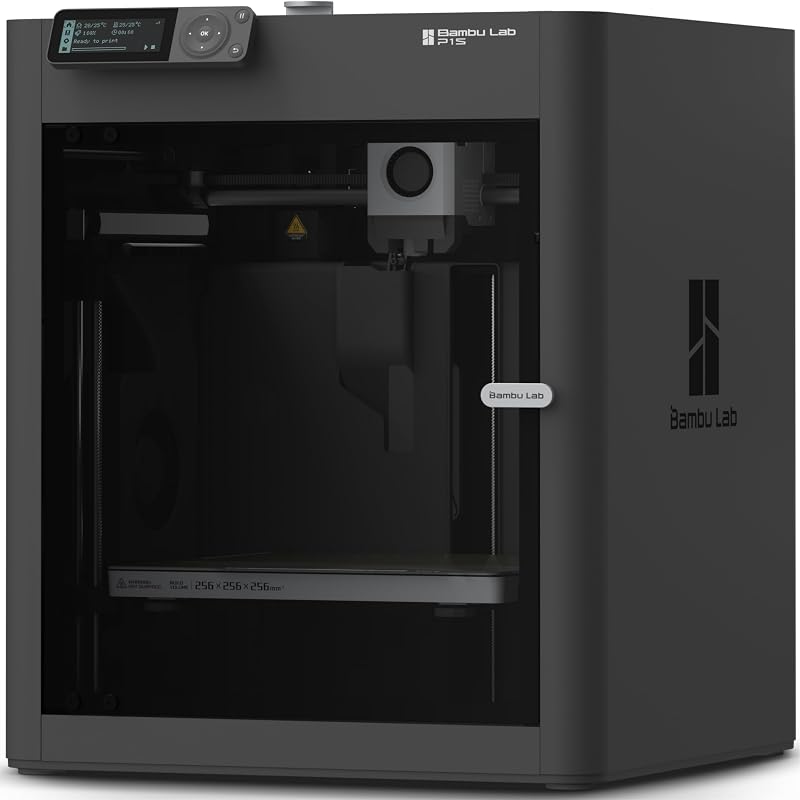
The Beginner-Friendly Ecosystem with MakerWorld Model option features the standalone Bambu Lab P1S enclosed CoreXY FDM printer. Designed for fast and precise single-material filament fabrication, this enclosed platform emphasizes ready-to-use simplicity straight out of the package. Casual hobbyists who want zero liquid mess and instant access to a vast online model catalog will appreciate its low-maintenance filament setup compared to the meticulous post-curing required by the M7 Pro.
Final Verdict
The Anycubic Photon Mono M7 Pro sets an impressive standard for consumer stereolithography by merging extreme 14K precision with genuinely useful mechanical automation. Features like the dynamic temperature-controlled vat, auto-refill bottle system, and optical LighTurbo 3.0 engine overcome the typical environmental and chemical hurdles that make traditional resin printing frustrating. For families, painters, and design enthusiasts who value crisp micro-details and reliable first-time prints, the automated safeguards protect against costly mistakes and substantially reduce workspace mess.
Prospective buyers must simply respect the physical space and handling requirements inherent to photopolymer 3D printing. If you have a dedicated workshop location that accommodates its 35-inch height and can support the necessary washing and curing workflow, the M7 Pro delivers outstanding long-term utility. It bridges the gap between commercial-grade print precision and accessible household usability, making it one of the most capable and user-friendly high-resolution resin printers on the market today.
FAQ
What makes the 14K screen on the Anycubic Photon Mono M7 Pro unique?
The M7 Pro features a 14K monochrome LCD with an expansive 13312 by 5120 resolution, yielding an exceptionally tight XY pixel size of 16.8 by 24.8 micrometers. This optical density allows the printer to resolve micro-features such as apertures as small as 0.3 millimeters in diameter, producing virtually layerless miniature models with clean, sharp surface details.
How does the auto resin fill and recycling system work?
The automated resin module attaches to the printer and continuously monitors fluid levels inside the vat. When resin runs low during long printing jobs, it mechanically feeds fresh resin from the supply bottle. After printing finishes, activating the one-key recycling feature pumps unused liquid back into the container, preventing spills and eliminating the need to pour resin through manual funnels.
Why is the dynamic temperature-controlled vat important?
Photopolymer resin requires warm temperatures to maintain low viscosity and cure predictably. The dynamic temperature-controlled vat automatically heats the liquid resin to keep it at optimal curing temperatures, preventing print separations and layer delamination when operating in chilly workshops, garages, or basements.
Is the Anycubic M7 Pro suitable for beginners?
While photopolymer printing always involves handling chemicals, safety gloves, and post-print wash stations, the anycubic m7 pro for beginners is considerably more accessible than older resin printers. Its six-point automated sensor array detects debris, confirms build plate installation, and monitors resin levels, preventing the common operational errors that typically cause broken LCD screens or failed prints.
What kinds of failures can the diagnostic sensors detect?
The M7 Pro features six intelligent detection routines: startup connection checks, build plate installation verification, resin volume detection, release film lifespan tracking, failed print detection, and vat residue detection. The residue sensor is especially vital because it detects cured fragments in the vat before the build plate lowers, preventing cracked LCD screens.