As Amazon Associates, we earn from qualifying purchases. This means we may receive a small commission at no extra cost to you if you click through and make a purchase.
The AcuRite Iris indoor and outdoor wireless weather station is an integrated home environmental monitoring system designed to give households hyper-local meteorological updates straight from their own property. Combining a multi-sensor outdoor array with an illuminated indoor console, it measures precipitation, wind velocity, wind direction, ambient temperature, barometric trends, and moisture levels without demanding complex technical calibration. For homeowners seeking reliable neighborhood monitoring, our evaluation of the hardware and specifications reveals a balanced, functional device that eliminates guesswork during stormy mornings and outdoor family planning.
This system works best for busy families, backyard gardeners, and weather enthusiasts who want immediate environmental readings on a centralized living room or kitchen display without having to check smartphone apps or municipal airport reports miles away. Those who need sub-zero winter tracking in extreme climates or native smart home integrations right out of the box will likely find its baseline operating boundaries limiting and should evaluate more connected platforms instead.
AcuRite Iris at a Glance

| Feature | Specification |
|---|---|
| Display Type | Rectangular Color LCD with Dimmer |
| Wireless Frequency | 433 MHz Radio Frequency |
| Console Power Source | Corded Electric |
| Battery Requirement | 10 AA batteries required |
| Battery Life | 1000 hours |
| Temperature Accuracy | +/- 1.11 degrees Celsius |
| Operational Temperature Range | 32 °F to 120 °F |
| Integrated Sensors | Anemometer, rain gauge, wind vane, hygrometer, thermometer |
| Physical Dimensions | 2.63 inches D x 8.13 inches W x 6.75 inches H |
| Total Weight | 5 pounds |
Sensor Array and Measurement Precision
At the heart of the system is the outdoor multi-sensor unit, built to function as an all-in-one meteorological hub. Rather than requiring homeowners to mount separate hardware modules across their roofline or fence, the outdoor housing combines an anemometer, a rain gauge, a wind vane, a hygrometer, and an ambient thermometer into a single 5-pound assembly. This consolidated footprint simplifies exterior installation while gathering five essential metrics simultaneously. For households managing garden beds, kids’ weekend sports, or outdoor maintenance, having wind speed and localized rainfall figures collected directly in the yard offers practical clarity that regional weather forecasts cannot match.
Precision is a core requirement for any domestic weather hub, and the published figures establish steady residential-grade performance. The unit delivers a temperature accuracy rating of +/- 1.11 degrees Celsius, ensuring that shifts between mild afternoons and frosty evenings register faithfully on the console. While some remote setups rely on backup generators or gear like the ecoflow river 2 pro portable power station during severe storms, the primary outdoor array communicates continuously via 433 MHz radio frequency technology to send updates to the indoor receiver. The rain gauge and wind components arrive pre-calibrated from the manufacturer, which removes the need for manual mathematical adjustments before putting the device into service.
Barometric pressure tracking is handled through an integrated barometer that drives the unit’s local forecasting engine. The internal software compiles 4,000 individual pressure readings at 12-minute intervals to establish a rolling mathematical baseline. By comparing current atmospheric pressure trends against this calculated average, the station predicts weather patterns 12 hours into the future for your specific geographic elevation. It tracks more than 55 distinct data points overall, calculating supplementary metrics such as heat index, dew point, “feels like” temperatures, and barometric trend arrows so parents can assess whether a humid morning will trigger afternoon thunderstorms.
Display Console and Everyday Visibility
The indoor command center consists of an 8.13-inch wide by 6.75-inch high rectangular color LCD screen designed for tabletop or shelf placement. Operating on corded electric power, the screen remains illuminated throughout the day, providing an immediate readout of time, calendar date, indoor comfort stats, and exterior observations. The screen layout organizes the 55 available data points into distinct visual zones, allowing family members to glance across the room and check the current temperature, wind direction arrow, or rainfall accumulation before heading out the door for school or work.
Because family living rooms and kitchens experience changing light conditions from morning sun to late evening, the console features an adjustable dimmer. Parents can turn down the backlight during movie nights or in a bedroom environment without losing access to the underlying clock or environmental gauges. While an emergency station like a voyager emergency radio hand crank solar unit focuses on loud tones and minimal power draws, this display is designed as a daily domestic information center that blends naturally into high-traffic home spaces.
In addition to basic numeric readings, the screen provides dynamic trend arrows for barometric pressure and temperature. These directional indicators show at a glance whether atmospheric pressure is rising, steady, or falling, giving users a heads-up about incoming weather fronts before cloud cover arrives. The display also aggregates historical values, enabling users to review daily high and low records to understand weekly weather progression without logging into external computer interfaces.
Durability and Outdoor Environmental Limits
Exterior weather equipment must endure relentless exposure to sun, rain, and shifting winds, making physical build quality a critical consideration. The outdoor sensor housing carries a weather-resistant rating structured to protect the delicate internal hygrometer, rain funnel, and internal circuit boards against precipitation and ambient moisture. Weighing in at 5 pounds, the complete package possesses enough physical heft to resist moderate wind buffeting when properly secured to a rigid pole or exterior post using the included mounting hardware.
Thermal operating thresholds, however, require careful attention from prospective buyers living in cold climates. The manufacturer lists the lower temperature rating at 32 degrees Fahrenheit and the upper temperature range at 120 degrees Fahrenheit. Because the baseline hardware specification does not rate operation below the freezing mark, families in northern states that face harsh winter freezes must understand that the sensor is not certified for sub-zero conditions. In warmer and temperate regions, the 120-degree upper threshold handles intense summer heat waves comfortably.
Power management across the entire ecosystem involves a combination of mains electricity and battery cells. The system requires a total of 10 AA batteries across its components to maintain active operation and memory backup. The listing specifies an overall battery life of 1000 hours, meaning users should establish a scheduled maintenance routine to check and replace batteries periodically so data transmission between the yard and the living room remains uninterrupted through rainy stretches.
Setup Process and Wireless Connectivity
Getting the weather station up and running follows a straightforward physical workflow that does not demand specialized carpentry or networking expertise. Setup begins by installing the required AA batteries into the hardware compartments and plugging the color console into a standard wall outlet. Because the system relies on dedicated 433 MHz radio frequency connectivity rather than local household Wi-Fi, there are no complicated 2.4 GHz network pairings, router firewalls, or mobile software applications to navigate during initialization.
Physical placement of the outdoor sensor is made practical via the included mounting bracket. Homeowners can affix the bracket to a wooden deck rail, a dedicated metal mast, or a sturdy fence post. To ensure accurate rainfall collection and unobstructed wind measurement, the sensor array should be mounted level and away from tall roof overhangs or dense tree canopies. Just as securing security hardware like a eufy base station 3 requires choosing a central spot with minimal signal interference, positioning this outdoor array with a clear line of sight toward the home optimizes the 433 MHz wireless link.
Once both devices are powered, the console automatically syncs to the wireless transmission stream and initiates its internal self-calibration sequence. The pre-calibrated wind cups and rain collection mechanism begin registering movement immediately, while the internal barometer begins gathering its baseline data points. Within minutes of tightening the bracket hardware, users can view live updates on the LCD console, transforming basic backyard monitoring into an engaging educational tool for children and a practical planning station for adults.
AcuRite Iris Pros and Cons
Pros
- Integrated 5-in-1 sensor tracks wind, rain, and temperature
- Large color LCD console features an adjustable dimmer
- Barometer samples 4,000 readings for localized forecasting
- Pre-calibrated outdoor sensor array simplifies initial setup
- Monitors over 55 distinct indoor and outdoor data points
Cons
- Requires 10 AA batteries across system components
- Lower operating temperature rating limited to 32 degrees Fahrenheit
- Console requires corded electric power for continuous display
Who Should Buy the AcuRite Iris
Buy It If
- You want an integrated 5-in-1 outdoor unit that monitors wind, rain, temperature, and humidity without separate mounting tasks.
- Your household prefers an always-on, brightly illuminated color LCD screen with adjustable dimming for shared living spaces.
- You want a dependable backyard station that operates independently without requiring Wi-Fi networks, mobile apps, or cloud accounts.
- You live in a temperate or southern climate where outdoor winter temperatures remain above the 32-degree Fahrenheit rating.
Skip It If
- You experience severe sub-zero winters, as the hardware’s lower temperature rating stops at 32 degrees Fahrenheit.
- You want remote smartphone alerts and off-site cloud tracking to monitor your home while traveling away from the property.
- You prefer a solar-assisted outdoor module that eliminates the recurring need for 10 AA replacement batteries.
AcuRite Iris Alternatives Worth a Look
If your environmental conditions or connectivity preferences require a different hardware balance, several alternative stations from the same category offer distinct feature sets for home monitoring.
With Wi-Fi Remote Monitoring
Our score: 9.6/10

The With Wi-Fi Remote Monitoring smart station focuses heavily on network connectivity and remote digital tracking. Unlike closed RF-only consoles, this platform connects directly to your home Wi-Fi network to push real-time alerts and environmental data to online weather networks and mobile devices. Homeowners who travel frequently, manage a rental property, or want to check rainfall totals from their smartphone while at work should consider this model over a purely local tabletop display.
Color Display Digital Weather Thermometer
Our score: 8.2/10

For shoppers who want a simpler setup without large outdoor mechanical arrays, the Color Display Digital Weather Thermometer provides an accessible alternative. Featuring a single wireless outdoor sensor, atomic clock synchronization, barometric tracking, and an adjustable backlight, it focuses on core indoor and outdoor temperature metrics rather than full wind and rain analytics. It suits apartment dwellers, small suburban homes, or budget-focused buyers who do not need full anemometer and rain gauge hardware in the yard.
S.A.M.E Localized Programming,External Antenna,Warning Light,Battery
Our score: 9.8/10
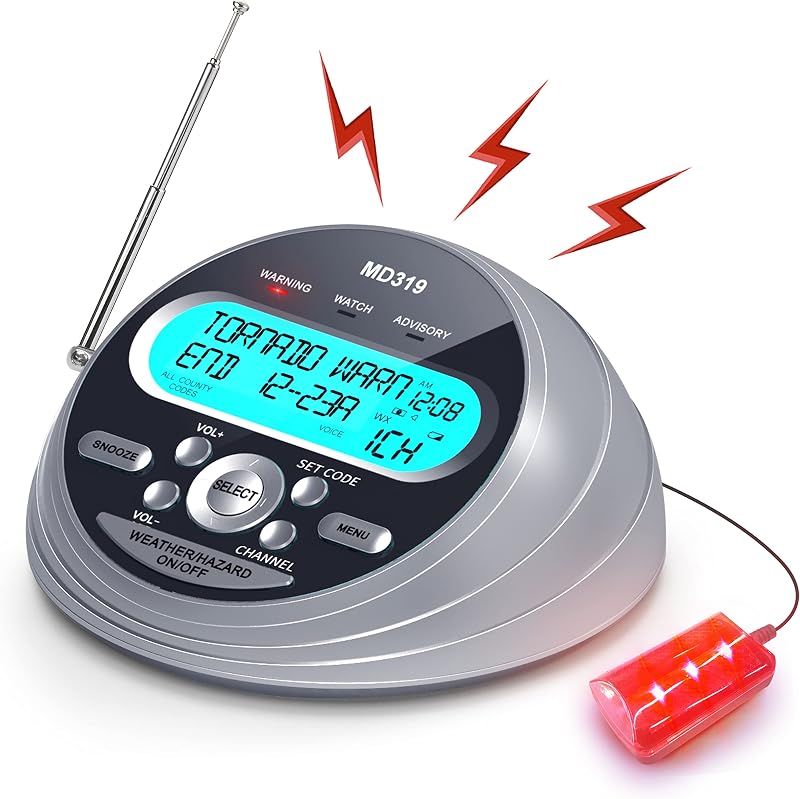
When severe weather preparedness takes priority over daily gardening metrics, the S.A.M.E Localized Programming,External Antenna,Warning Light,Battery backup system offers specialized emergency protection. Equipped with an external antenna, visual warning lights, and county-specific S.A.M.E. programming for more than 80 emergency alerts, this unit focuses on warning families about incoming tornadoes and severe storms rather than measuring backyard rainfall. Households in storm-prone regions seeking dedicated safety alerts should pair or replace general weather stations with this emergency radio format.
Final Verdict
The AcuRite Iris provides an accessible, feature-packed entry point into personal weather monitoring for families who want clear backyard information without technical complexity. By combining five essential sensors into a unified outdoor unit and linking it directly to an attractive, dimmable color LCD console, it delivers over 55 useful environmental data points right where busy households congregate. The inclusion of localized barometric forecasting and pre-calibrated measuring instruments makes it an engaging, practical household fixture from day one.
While its 32-degree Fahrenheit minimum operating threshold and heavy reliance on 10 AA batteries represent genuine limitations for cold-climate residents, its core performance within temperate conditions remains solid. For homeowners who prioritize straightforward hardware setup, immediate kitchen counter visibility, and dependable hyper-local tracking of wind, rain, and temperature trends, this all-in-one station represents a dependable and educational addition to the family home.
FAQ
What wireless technology connects the outdoor sensor to the indoor display?
The system utilizes a 433 MHz radio frequency wireless link to transmit environmental readings from the backyard sensor to the indoor color console. It does not require a home Wi-Fi connection, router passwords, or mobile software applications to communicate.
How is the indoor color display powered?
The indoor console is powered by corded electricity using a standard wall plug, allowing the color LCD screen and adjustable dimmer to remain illuminated continuously. Battery slots are also included across system components to support data backup during short-term power interruptions.
Can the outdoor sensor measure temperatures below freezing?
According to the manufacturer’s technical specifications, the outdoor sensor features a lower temperature rating of 32 degrees Fahrenheit and an upper rating of 120 degrees Fahrenheit. Because it is not rated for sub-freezing operation, households in severe winter climates should be mindful of these operational limits.
How does the station generate its 12-hour local forecast?
The unit combines elevation data with ongoing barometric pressure tracking handled by its internal barometer. The station automatically logs 4,000 barometric readings in 12-minute increments to calculate a running average, using those pressure trend calculations to predict conditions 12 hours in advance.
How many batteries does the complete system require?
The listing specifies that 10 AA batteries are required across the system components to support wireless transmission and system memory, offering an estimated operating battery life of approximately 1000 hours.


